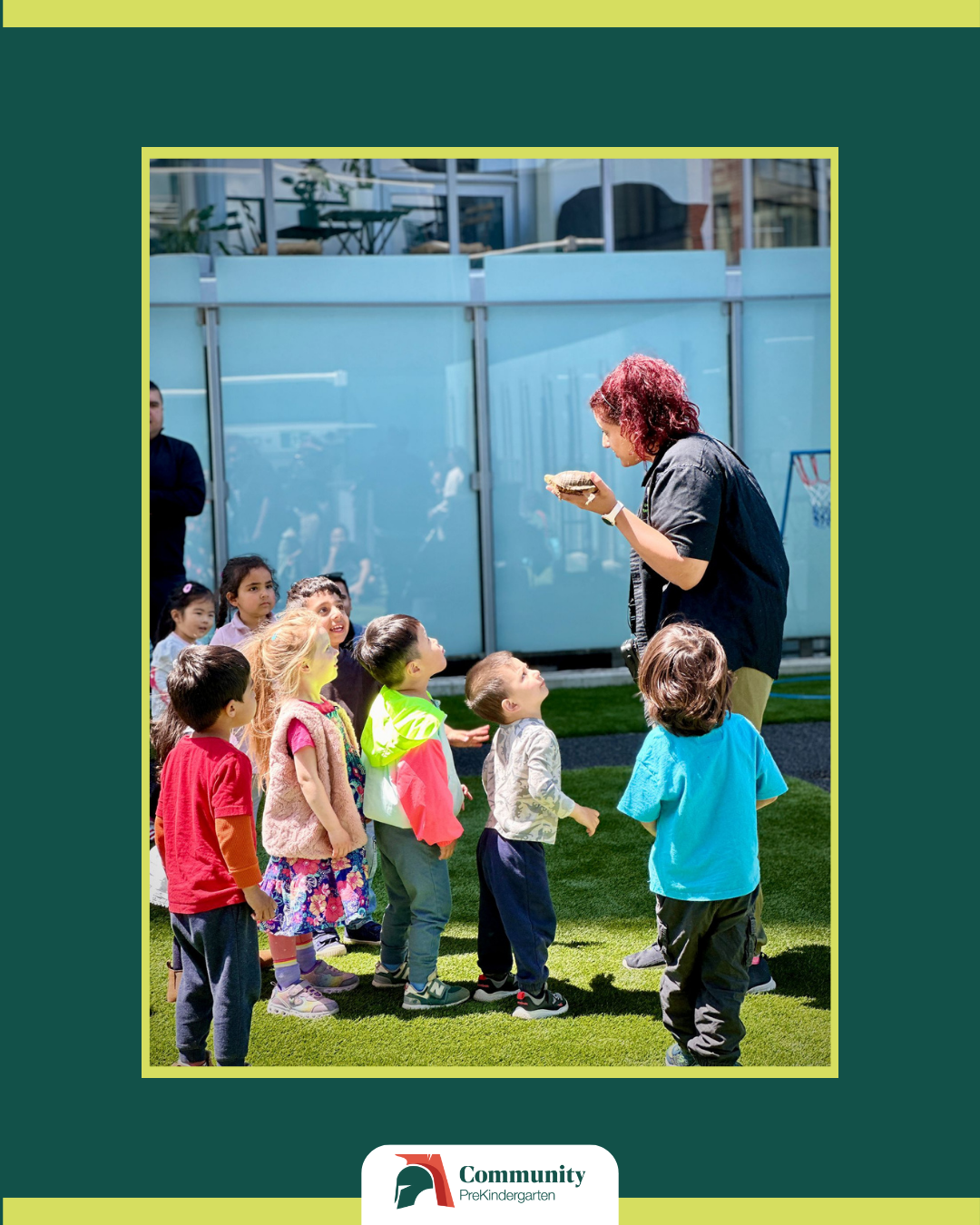
The BC Parent's Complete Guide to Finding Childcare

The BC Parent's Complete Guide to Finding Childcare

A BC Parent's Complete Guide to Finding Childcare
Finding childcare in British Columbia can be one of the most stressful things a parent can navigate. In some regions of the province waitlists are long, the general terminology is confusing, costs can be significant, and the stakes feel high because this is your child.
Whether you're just starting your search or you've been on a few waitlists for six months and you're still waiting, this guide will walk you through everything you need to know to pick a centre that works best for you and your family.
ere you will find information on how the BC childcare system works, what the different types of care mean, what types of financial support is available, and exactly what to look for and ask when visiting a facility.
tep 1: Understanding the Types of Childcare in BC
C has four types of childcare, and the differences matter:
icensed Childcare
his is the most regulated and therefore the most recommended type.
icensed child care facilities are monitored and regularly inspected by regional health authorities. They must meet specific requirements for health and safety, staffing qualifications, record keeping, space and equipment, child-to-staff ratios, and programming.
icensed care includes group childcare centres, preschool programs, and licensed family childcare homes. When you choose licensed care, you have the assurance that someone with authority audits and continues to check that the facility meets minimum health and safety standards.
egistered Licence-Not-Required (RLNR)
hese are care providers who registered with a Child Care Resource and Referral Centre. To have registered, operators must have completed criminal record checks for everyone over age 12 living in the home, and completed child care related training. Registered care providers also have access to support, training, resources and group liability insurance. They can care for up to two unrelated children, or a sibling group. This type of care has less oversight than licensed care, but more accountability than unregistered options.
icence-Not-Required (LNR)
hese child care providers can operate legally in BC. They are not registered or licensed and are not monitored or inspected. Unlicensed child care providers do not have to meet health or safety standards. They can legally care for one or two unrelated children without any formal registration. Use caution and do your own thorough vetting if you are considering this option.
are in Your Own Home
his means a nanny, au pair, or caregiver who comes to your home. This type of care is not licensed or inspected. However, it can still be eligible for the Affordable Child Care Benefit (more on that below), and gives your child a consistent one-on-one relationship in their own environment.
Step 2: Know What Financial Support You're Entitled To
BC has invested in making childcare more affordable. Many families leave money on the table simply because they don't know what they qualify for. Here's what's available:
The $10 a Day ChildCareBC Program
For settings that receive funding under this program, families pay no more than $200 per month per child for full-time enrolment during regular business hours. Sites offering the $10 a Day ChildCareBC program are not income-tested and are open to any family, regardless of finances and income. Spaces are limited, check the BC government's website for the current list of participating centres near you.
The Affordable Child Care Benefit (ACCB)
The ACCB is a monthly payment that helps eligible families with the cost of childcare. Generally, families that earn up to $111,000 may qualify for funding. Families that earn more than $111,000 but have considerable deductions for family size or children who have support needs may also apply.
Eligible families can receive up to $1,250 per child per month, depending on their income and the number of children in their care.
To apply: use the My Family Services portal to complete or check the status of your application. It takes approximately 10 business days to process electronic applications. You can also apply by mail or fax, but allow three weeks or longer for processing that way. Apply for funding before the end of the month in which you need childcare. Benefits must be renewed yearly or when there is a change in qualifying reason for requiring childcare.
Child Care Fee Reduction Initiative (CCFRI)
This is a program where the provincial government provides funding directly to licensed childcare providers to reduce and stabilize the fees they charge families which saves families as much as $900 per month per child. You don't apply for this directly as it operates through the provider. Ask any facility you're considering whether they participate.
Can ACCB and CCFRI be combined?
Yes. The Affordable Child Care Benefit can be combined with other affordability programs for families that need it most. If you're eligible for the ACCB and your provider participates in the CCFRI, both benefits can apply simultaneously.
Child Care Service Centre helpline: If you're confused about what you qualify for or need help navigating the system, call 1-888-338-6622, Monday to Friday 8:30am–4:30pm. Translators are available in more than 140 languages.
Step 3: Start Your Search Early
Childcare waitlists at high quality centres, especially in Metro Vancouver, Burnaby, and other Lower Mainland communities can stretch from one to three years. This is not an exaggeration.
The general rule of thumb is to start browsing childcare centres when you find out you're pregnant.
Where to locate centres:
BC's Licensed Childcare Locator: The provincial government has an online tool to find licensed childcare facilities in your community. Search at www2.gov.bc.ca under "find licensed child care." This is your most reliable starting point for licensed care.
Child Care Resource and Referral (CCRR) Centres: Every region in BC has a CCRR centre that provides free consultation, referrals to local childcare providers, and support for parents navigating the system. They know your local area and can give you current, accurate information on availability.
StrongStart BC: While not a full childcare solution, StrongStart BC centres are free drop-in programs at local schools for children aged 0–5 and their caregivers. They're a fantastic way to connect with your community, meet other parents, and get referrals to local care options.
Your network: Ask parents in your neighbourhood, your workplace, your community groups. Word of mouth remains one of the most reliable ways to find quality care and to gather honest opinions and experiences about specific facilities.
Google Maps: Do a search for centres near your home or work to start shortlisting locations that make the most sense for your lifestyle and needs.
Step 4: Take a Tour
A website, email and a phone call will not give you enough information. You need to walk into a space and experience it with your child in mind.
Here's what to pay attention to when you visit:
The physical environment: Does it feel clean and well-maintained? Is there outdoor space? Is the environment inviting? Or does it feel cluttered, messy, institutional or cheerless?
The educators: Watch how staff interact with the children who are already there. Are they warm and engaged? Do they get down to a child's level? Do they know the children's names and interests? Do they seem genuinely happy to be there or exhausted and distracted?
The ratio of adults to children: In a licensed group childcare setting for children under 36 months, you want to see no more than 4 children per educator. For 3-to-5-year-olds, the ratio should be no more than 8 children per educator. Ask about what the typical ratio is on a regular day and what happens when a staff member is absent.
Staff qualifications and turnover: Ask whether the lead educators hold Early Childhood Educator (ECE) and infant toddler certifications. Ask how long most of the staff have been working there. For children, consistency of relationship is everything.
The program: What are the hours? Is there a daily routine? Are teachers trained in a curriculum and methodology? What does their program and curriculum include? What does a typical day look like? Is there a balance of structured learning and play? How do they handle conflict between children? What's their approach to discipline? Do they offer freshly made meals and are there a nutrition guidelines? Do they offer add-on programs like soccer or piano that could help with time management once your child is ready and if you are interested?
Communication with families: How do they keep parents informed about their child's day? What happens if there's an incident or an issue? How accessible is the leadership if you have a concern? Is there a live camera stream? A digital daily reporting system? Are developmental or progress reports provided?
Step 5: Questions Before You Register
Are you licensed with the regional health authority?
When was your last inspection, and can I see the report?
What is your emergency and illness policy?
What is your policy on medication administration?
Do you offer a meal program?
What does a typical daily schedule look like?
Do you offer a gradual entry?
How do you handle separation anxiety in new children?
How do you support children with different developmental needs?
Do you provide progress reports on my child's learning development?
What happens to my child's routine when their primary educator is absent?
What are your full fees?
Do you participate in the CCFRI?
Do you accept the Affordable Child Care Benefit?
What is your waitlist policy and deposit structure?
What is your notice period if I need to withdraw?
How will you update me on my child's day?
What happens if you observe a developmental concern?
What happens if my child has behavioural issues?
How do I raise a concern?
Who is my main point of contact?
The Checklist: Bring This Along on Tours
Comparing Centres? Print this out and take it with you to help you stay focused...
Licensing and Safety
☐ Facility is licensed by the regional health authority
☐ License is displayed in a visible location in the facility
☐ Most recent health authority inspection report is available and in good standing
☐ Emergency and fire evacuation plan is posted
☐ First aid kits are visible and accessible
☐ Space is clean, well-maintained, and free of hazards
☐ Outdoor play area is secure and age-appropriate
Staff and Ratios
☐ Lead educators hold ECE certification
☐ Child-to-staff ratios meet or exceed licensing requirements
☐ Staff appear warm, engaged, and attentive with children
☐ Teacher-Management relationship seems strong
☐ Teachers are trained in centre methodology and undergo regular professional development
Program and Environment
☐ A structured daily routine
☐ Balance of indoor and outdoor time
☐ Academic learning & Play
☐ Space is inviting
☐ Children appear happy and engaged
☐ Approach to discipline is positive
☐ Secure access points and security features
☐ Meal program
☐ Developmental Progress Report
☐ The opening and closing times work for our family
☐ Add-on items such as piano or a second language that are useful
☐ There is an indoor gross motor room
Communication and Policies
☐ Clear illness and exclusion policy
☐ Communication system for daily updates to parents
☐ Clear process for raising concerns or complaints
☐ Transition and gradual entry plan for new children
☐ Live Video Camera Stream for parents
☐ School Closures are few and limited
☐ There is a parent room
Financial and Administrative
☐ Participates in CCFRI (fee reduction program)
☐ Accepts Affordable Child Care Benefit
☐ Participates in $10 a Day program (if applicable)
☐ Fees, deposits, and notice periods are clearly documented in writing
☐ Refund policy is clear
☐ There is an enrolment contract
☐ There is a Family Handbook with all policies and procedures
A Final Note
Give yourself grace, start early, ask lots of questions, trust your instincts, and don't be afraid to keep looking until you find the right fit. Your child's care environment in these early years matters and not just for their safety, but for their sense of belonging, their growth and development, and your families overall happiness.
Helpful BC Resources:
Find licensed childcare: www2.gov.bc.ca search "find licensed child care"
Affordable Child Care Benefit: gov.bc.ca/affordablechildcarebenefit
Child Care Service Centre helpline: 1-888-338-6622 (Mon–Fri, 8:30am–4:30pm, 140+ languages)
Apply for the ACCB online: My Family Services portal
Find your local CCRR: Search "Child Care Resource and Referral BC"
Have questions about our early learning program and how to prepare your child for childcare and kindergarten? Get in touch with the Academics PreKindergarten team and Book a Tour!
A BC Parent's Complete Guide to Finding Childcare
Finding childcare in British Columbia can be one of the most stressful things a parent can navigate. In some regions of the province waitlists are long, the general terminology is confusing, costs can be significant, and the stakes feel high because this is your child.
Whether you're just starting your search or you've been on a few waitlists for six months and you're still waiting, this guide will walk you through everything you need to know to pick a centre that works best for you and your family.
Here you will find information on how the BC childcare system works, what the different types of care mean, what types of financial support is available, and exactly what to look for and ask when visiting a facility.
Step 1: Understanding the Types of Childcare in BC
BC has four types of childcare, and the differences matter:
Licensed Childcare
This is the most regulated and therefore the most recommended type.
Licensed child care facilities are monitored and regularly inspected by regional health authorities. They must meet specific requirements for health and safety, staffing qualifications, record keeping, space and equipment, child-to-staff ratios, and programming.
Licensed care includes group childcare centres, preschool programs, and licensed family childcare homes. When you choose licensed care, you have the assurance that someone with authority audits and continues to check that the facility meets minimum health and safety standards.
Registered Licence-Not-Required (RLNR)
These are care providers who registered with a Child Care Resource and Referral Centre. To have registered, operators must have completed criminal record checks for everyone over age 12 living in the home, and completed child care related training. Registered care providers also have access to support, training, resources and group liability insurance. They can care for up to two unrelated children, or a sibling group. This type of care has less oversight than licensed care, but more accountability than unregistered options.
Licence-Not-Required (LNR)
These child care providers can operate legally in BC. They are not registered or licensed and are not monitored or inspected. Unlicensed child care providers do not have to meet health or safety standards. They can legally care for one or two unrelated children without any formal registration. Use caution and do your own thorough vetting if you are considering this option.
Care in Your Own Home
This means a nanny, au pair, or caregiver who comes to your home. This type of care is not licensed or inspected. However, it can still be eligible for the Affordable Child Care Benefit (more on that below), and gives your child a consistent one-on-one relationship in their own environment.
Step 2: Know What Financial Support You're Entitled To
BC has invested in making childcare more affordable. Many families leave money on the table simply because they don't know what they qualify for. Here's what's available:
The $10 a Day ChildCareBC Program
For settings that receive funding under this program, families pay no more than $200 per month per child for full-time enrolment during regular business hours. Sites offering the $10 a Day ChildCareBC program are not income-tested and are open to any family, regardless of finances and income. Spaces are limited, check the
BC government's website for the current list of participating centres near you.
The Affordable Child Care Benefit (ACCB)
The ACCB is a monthly payment that helps eligible families with the cost of childcare. Generally, families that earn up to $111,000 may qualify for funding. Families that earn more than $111,000 but have considerable deductions for family size or children who have support needs may also apply.
Eligible families can receive up to $1,250 per child per month, depending on their income and the number of children in their care.
To apply: use the My Family Services portal to complete or check the status of your application. It takes approximately 10 business days to process electronic applications. You can also apply by mail or fax, but allow three weeks or longer for processing that way. Apply for funding before the end of the month in which you need childcare. Benefits must be renewed yearly or when there is a change in qualifying reason for requiring childcare.
Child Care Fee Reduction Initiative (CCFRI)
This is a program where the provincial government provides funding directly to licensed childcare providers to reduce and stabilize the fees they charge families which saves families as much as $900 per month per child. You don't apply for this directly as it operates through the provider. Ask any facility you're considering whether they participate.
Can ACCB and CCFRI be combined?
Yes. The Affordable Child Care Benefit can be combined with other affordability programs for families that need it most. If you're eligible for the ACCB and your provider participates in the CCFRI, both benefits can apply simultaneously.
Child Care Service Centre helpline: If you're confused about what you qualify for or need help navigating the system, call
1-888-338-6622, Monday to Friday 8:30am–4:30pm. Translators are available in more than 140 languages.
Step 3: Start Your Search Early
Childcare waitlists at high quality centres, especially in Metro Vancouver, Burnaby, and other Lower Mainland communities can stretch from one to three years. This is not an exaggeration.
The general rule of thumb is to start browsing childcare centres when you find out you're pregnant.
Where to locate centres:
BC's Licensed Childcare Locator: The provincial government has an online tool to find licensed childcare facilities in your community. Search at www2.gov.bc.ca under "find licensed child care." This is your most reliable starting point for licensed care.
Child Care Resource and Referral (CCRR) Centres: Every region in BC has a CCRR centre that provides free consultation, referrals to local childcare providers, and support for parents navigating the system. They know your local area and can give you current, accurate information on availability.
StrongStart BC: While not a full childcare solution, StrongStart BC centres are free drop-in programs at local schools for children aged 0–5 and their caregivers. They're a fantastic way to connect with your community, meet other parents, and get referrals to local care options.
Your network: Ask parents in your neighbourhood, your workplace, your community groups. Word of mouth remains one of the most reliable ways to find quality care and to gather honest opinions and experiences about specific facilities.
Google Maps: Do a search for centres near your home or work to start shortlisting locations that make the most sense for your lifestyle and needs.
Step 4: Take a Tour
A website, email and a phone call will not give you enough information. You need to walk into a space and experience it with your child in mind.
Here's what to pay attention to when you visit:
The physical environment: Does it feel clean and well-maintained? Is there outdoor space? Is the environment inviting? Or does it feel cluttered, messy, institutional or cheerless?
The educators: Watch how staff interact with the children who are already there. Are they warm and engaged? Do they get down to a child's level? Do they know the children's names and interests? Do they seem genuinely happy to be there or exhausted and distracted?
The ratio of adults to children: In a licensed group childcare setting for children under 36 months, you want to see no more than 4 children per educator. For 3-to-5-year-olds, the ratio should be no more than 8 children per educator. Ask about what the typical ratio is on a regular day and what happens when a staff member is absent.
Staff qualifications and turnover: Ask whether the lead educators hold Early Childhood Educator (ECE) and infant toddler certifications. Ask how long most of the staff have been working there. For children, consistency of relationship is everything.
The program: What are the hours? Is there a daily routine? Are teachers trained in a curriculum and methodology? What does their program and curriculum include? What does a typical day look like? Is there a balance of structured learning and play? How do they handle conflict between children? What's their approach to discipline? Do they offer freshly made meals and are there a nutrition guidelines? Do they offer add-on programs like soccer or piano that could help with time management once your child is ready and if you are interested?
Communication with families: How do they keep parents informed about their child's day? What happens if there's an incident or an issue? How accessible is the leadership if you have a concern? Is there a live camera stream? A digital daily reporting system? Are developmental or progress reports provided?
Step 5: Questions Before You Register
Are you licensed with the regional health authority?
When was your last inspection, and can I see the report?
What is your emergency and illness policy?
What is your policy on medication administration?
Do you offer a meal program?
What does a typical daily schedule look like?
Do you offer a gradual entry?
How do you handle separation anxiety in new children?
How do you support children with different developmental needs?
Do you provide progress reports on my child's learning development?
What happens to my child's routine when their primary educator is absent?
What are your full fees?
Do you participate in the CCFRI?
Do you accept the Affordable Child Care Benefit?
What is your waitlist policy and deposit structure?
What is your notice period if I need to withdraw?
How will you update me on my child's day?
What happens if you observe a developmental concern?
What happens if my child has behavioural issues?
How do I raise a concern?
Who is my main point of contact?
The Checklist: Bring This Along on Tours
Comparing Centres? Print this out and take it with you to help you stay focused...
Licensing and Safety
- ☐ Facility is licensed by the regional health authority
- ☐ License is displayed in a visible location in the facility
- ☐ Most recent health authority inspection report is available and in good standing
- ☐ Emergency and fire evacuation plan is posted
- ☐ First aid kits are visible and accessible
- ☐ Space is clean, well-maintained, and free of hazards
- ☐ Outdoor play area is secure and age-appropriate
Staff and Ratios
- ☐ Lead educators hold ECE certification
- ☐ Child-to-staff ratios meet or exceed licensing requirements
- ☐ Staff appear warm, engaged, and attentive with children
- ☐ Teacher-Management relationship seems strong
- ☐ Teachers are trained in centre methodology and undergo regular professional development
Program and Environment
- ☐ A structured daily routine
- ☐ Balance of indoor and outdoor time
- ☐ Academic learning & Play
- ☐ Space is inviting
- ☐ Children appear happy and engaged
- ☐ Approach to discipline is positive
- ☐ Secure access points and security features
- ☐ Meal program
- ☐ Developmental Progress Report
- ☐ The opening and closing times work for our family
- ☐ Add-on items such as piano or a second language that are useful
- ☐ There is an indoor gross motor room
Communication and Policies
- ☐ Clear illness and exclusion policy
- ☐ Communication system for daily updates to parents
- ☐ Clear process for raising concerns or complaints
- ☐ Transition and gradual entry plan for new children
- ☐ Live Video Camera Stream for parents
- ☐ School Closures are few and limited
- ☐ There is a parent room
Financial and Administrative
- ☐ Participates in CCFRI (fee reduction program)
- ☐ Accepts Affordable Child Care Benefit
- ☐ Participates in $10 a Day program (if applicable)
- ☐ Fees, deposits, and notice periods are clearly documented in writing
- ☐ Refund policy is clear
- ☐ There is an enrolment contract
- ☐ There is a Family Handbook with all policies and procedures
A Final Note
Give yourself grace, start early, ask lots of questions, trust your instincts, and don't be afraid to keep looking until you find the right fit. Your child's care environment in these early years matters and not just for their safety, but for their sense of belonging, their growth and development, and your families overall happiness.
Helpful BC Resources:
- Find licensed childcare: www2.gov.bc.ca search "find licensed child care"
- Affordable Child Care Benefit: gov.bc.ca/affordablechildcarebenefit
- Child Care Service Centre helpline: 1-888-338-6622 (Mon–Fri, 8:30am–4:30pm, 140+ languages)
- Apply for the ACCB online: My Family Services portal
- Find your local CCRR: Search "Child Care Resource and Referral BC"
Have questions about our early learning program and how to prepare your child for childcare and kindergarten? Get in touch with the Academics PreKindergarten team and Book a Tour!
Recent Posts