Is My Child Ready for Preschool? The BC Kindergarten Readiness Checklist.

Is My Child Ready for Preschool?
The BC Kindergarten Readiness Checklist.
If you've found yourself Googling "is my child ready for preschool" at 11pm while your two-year-old sleeps peacefully down the hall... or "is my child ready for Kindergarten" while your four-year-old paints at the kitchen table...welcome. You're in good company.
The question of school readiness is one of the most anxiety-inducing milestones of early parenthood.
When does kindergarten starts in BC?
What is "readiness"?
What skills should your child be building before they start?
How Does Kindergarten Work in BC?
In BC, children can start kindergarten in September of the year they turn five years old. Kindergarten registration usually begins in January for the coming September. So if your child turns five any time before December 31st of a given year, they are eligible to start kindergarten that September, even if their birthday falls on December 30th.
Parents are required to have their children registered for school or homeschooling by the calendar year in which they turn six. If parents choose to delay school enrolment for their five-year-old, they should discuss with the school principal the best placement for their child.
One thing that sometimes surprises families new to BC is that kindergarten is full day. Your child will be attending a full school day right from the start, which is worth factoring in when thinking about readiness.
Before kindergarten? Many BC families make use of programs offered across the province for children aged 0–5 such as the program at Academics PreKindergarten.
What is "Readiness"?
Kindergarten readiness is not about whether your child can read, write, or do math.
Teachers are not expecting four and five-year-olds to walk in knowing how to read. They're not expecting them to write their name perfectly, count to 100, or recite the alphabet forwards and backwards. In BC, the expectation is that these skills will be developed in kindergarten.
Children will need need social and behavioural skills such as independence and self-control as much as they will need early academic skills like counting or alphabet recognition.
Kindergarten teachers need children to function in a group setting, manage some basic emotions, follow simple instructions, and communicate their needs.
The five essential areas of school readiness are: social and emotional development; approaches to learning; language and literacy; cognition and general knowledge; and physical development and health.
The Readiness Checklist
1. Social and Emotional Skills
When children develop strong social emotional skills, they are better able to form and maintain friendships and better able to focus attention on learning. Research from Head Start programs has shown that social-emotional skills developed in preschool can directly improve reading achievement and learning engagement in kindergarten. A child who knows how to manage their emotions and get along with others learns faster.
By the time your child starts kindergarten, they should be generally able to:
Separate from you without becoming inconsolable. Take turns and share, at least some of the time. Play alongside and with other children. Follow two or three-step instructions. Express their needs and feelings using words rather than only behaviours. Manage frustration without completely falling apart and recover when they do. Show some awareness of other people's feelings.
What you can do at home: Narrate emotions throughout the day by using yours and theirs. "I can see you're frustrated that it's time to leave the park. That feeling is hard." Practice waiting, taking turns during games, and problem-solving small conflicts rather than solving everything for them.
2. Language and Communication Skills
When babies and toddlers hear words and language from caring adults, their brains develop the connections they'll need to learn to use language and, later, to learn how to read. Children whose parents and caregivers regularly talk and read with them develop larger vocabularies and go on to become better readers and do better in school.
By kindergarten age, your child should generally be able to:
Speak in complete sentences that adults outside the family can understand. Follow multi-step instructions. Ask and answer simple questions. Tell a simple story or recount something that happened. Know and use their full name. Recognize that print carries meaning, that books are read left to right, and words have spaces between them.
They do not need to be able to read independently. But showing interest in books, letters, and sounds is a wonderful sign.
What you can do at home: Read together every single day. Talk through your daily routines out loud. Ask open-ended questions rather than yes/no ones. Visit your local library regularly and let your child choose books that interest them.
3. Early Math and Thinking Skills
Some early number sense and thinking skills are genuinely helpful foundations.
By kindergarten, most children will be developing the ability to:
Count to at least 10, with some understanding of what those numbers mean. Recognize and name basic shapes such as circle, square, triangle, rectangle. Sort objects by colour, size, or shape. Notice patterns and predict what comes next. Understand basic concepts like more/less, big/small, first/last.
Curiosity and problem-solving matter here more than specific knowledge. A child who loves to figure things out, ask "why," and explore how things work is building exactly the kind of thinking skills that support early math learning.
What you can do at home: Count everything like the stairs, grapes, cars in the parking lot. Cook together and talk about more and less, full and empty. Do simple puzzles. Play sorting and matching games. Ask "what do you think will happen if…?" questions regularly.
4. Independence and Self-Care Skills
Kindergarten classrooms have one teacher for 20+ children. A child who cannot manage basic self-care creates significant challenges.
Before kindergarten, children should be generally able to:
Use the toilet independently, including wiping, flushing, and washing hands. Put on and take off their own shoes, jacket, and backpack. Open their own lunch container and water bottle. Manage their belongings, knowing what's theirs and where it goes. Ask an adult for help when they need it.
What you can do at home: Step back and let them try. It will take longer and be messier than if you do it for them and that's fine. The goal is independence, not efficiency. Buy clothing and shoes that are easy to manage. Practice opening the actual lunch containers they'll use at school.
5. Fine and Gross Motor Skills
Children need their bodies to work with them in a classroom environment. This includes both big movements and small ones.
Gross motor skills: Can your child run, jump, hop on one foot, climb, and catch a ball? Can they sit still for a ten minute period when an activity requires it?
Fine motor skills: Can your child hold a pencil or crayon with some control? Use scissors with basic guidance? Draw a person with recognizable features? Stack blocks and complete simple puzzles?
Fine motor development is particularly worth paying attention to, because it underpins writing and children who arrive at kindergarten with underdeveloped fine motor skills often struggle with the physical demands of early writing tasks.
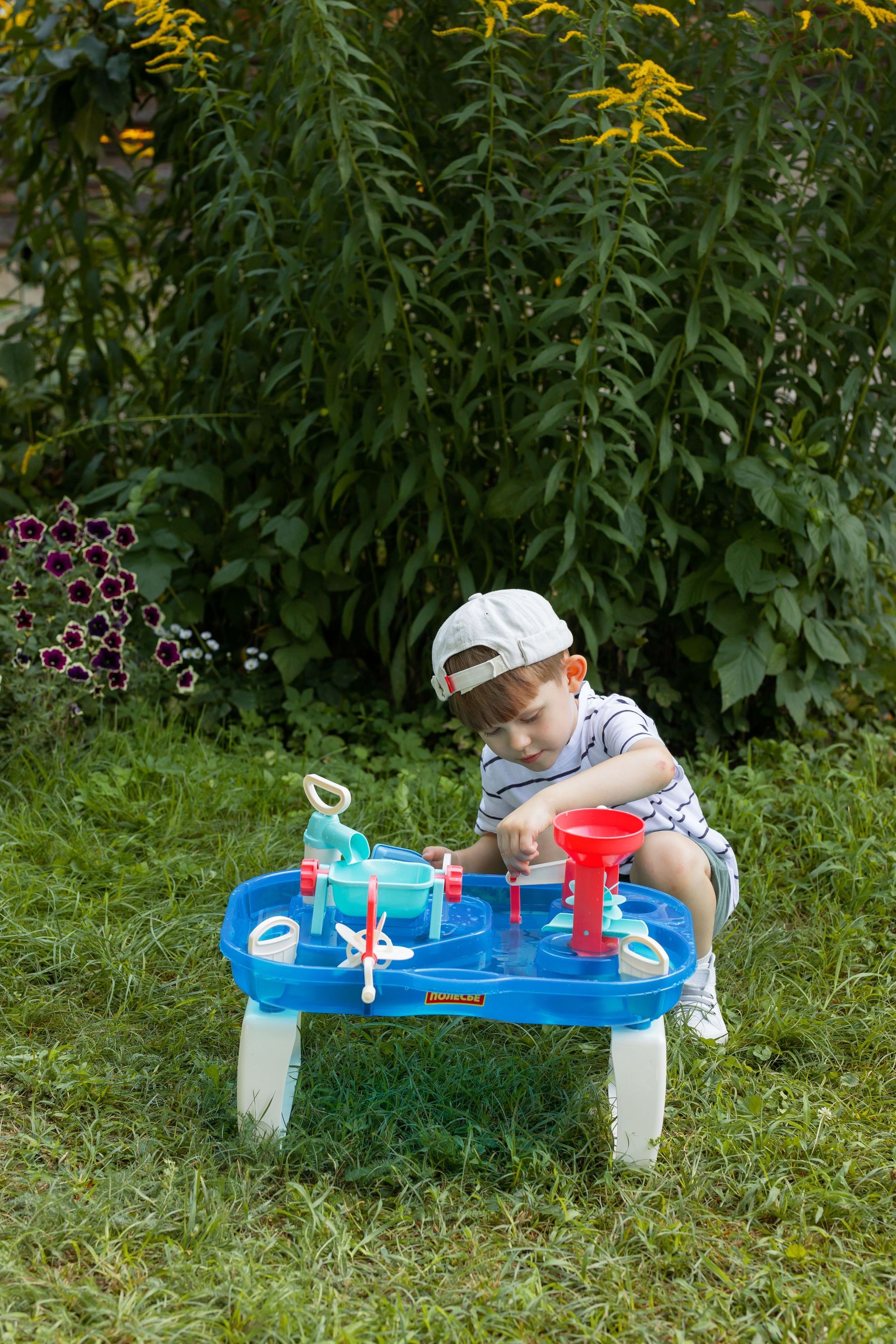
What you can do at home: Play with playdough, do simple crafts, practise cutting with child-safe scissors, colour, draw, and build with blocks or Lego. Climbing, running, and balancing builds gross motor strength. .
6. Approaches to Learning
Does your child show curiosity? Stick with a task when it gets a little hard? Try again after they make a mistake? Follow the rules of a simple game? Listen when someone is speaking to them?
Curiosity, persistence, flexibility, attention are among the strongest predictors of early school success. A child who is eager to explore and try new things will learn faster than one with more prior knowledge but less openness to the process.
What you can do at home: Praise effort and persistence, not outcomes. Say "I love how you kept trying even when it was hard" rather than "you're so smart." Let your child experience manageable frustration rather than stepping in immediately. Model curiosity yourself, "I wonder why…" is one of the most powerful things you can say to a young child.
What If My Child Isn't Quite There Yet?
The checklist is a guide to development, not a pass/fail test.
A child who is strong socially but needs more work on independence is very different from a child who is struggling across multiple areas.
If you have genuine concerns about speech and language development, about social or emotional delays, about physical development, the time to act is now, not September. Talk to your child's doctor, reach out to a speech-language pathologist, or contact your school district about early intervention supports. BC has resources available, and early support makes a real difference.
If your child simply needs more exposure to group settings, more practice with independence, or more language-rich experiences, that's something you can work on intentionally at home, and something an early learning program can help with enormously before kindergarten begins.
Children who have had rich early learning experiences are likely to enter kindergarten ready to succeed. Those experiences don't have to be formal or structured. Play, conversation, books, outdoor exploration, cooking together, and building things are the types of experiences that build school-ready brains.
Be present, curious, and engaged with your child and make sure they're getting enough practice navigating the world alongside other people.
Kindergarten is not the finish line of early childhood. It's the beginning of a long learning journey. The goal is to have a child who walks through the door feeling curious, capable, and ready to try.
At Academics PreKindergarten, we work with children from their earliest years to build the key foundations to a successful lifelong learning journey. Whether your child is a baby, toddler, preparing for preschool, about to start kindergarten, or somewhere in between, we'd love to chat about how we can help. Come in for a tour and let's meet your little learner.
If you've found yourself Googling "is my child ready for preschool" at 11pm while your two-year-old sleeps peacefully down the hall... or "is my child ready for Kindergarten" while your four-year-old paints at the kitchen table...welcome. You're in good company.
The question of school readiness is one of the most anxiety-inducing milestones of early parenthood.
When does kindergarten starts in BC?
What is "readiness"?
What skills should your child be building before they start?
How Does Kindergarten Work in BC?
In BC, children can start kindergarten in September of the year they turn five years old. Kindergarten registration usually begins in January for the coming September. So if your child turns five any time before December 31st of a given year, they are eligible to start kindergarten that September, even if their birthday falls on December 30th.
Parents are required to have their children registered for school or homeschooling by the calendar year in which they turn six. If parents choose to delay school enrolment for their five-year-old, they should discuss with the school principal the best placement for their child.
One thing that sometimes surprises families new to BC is that kindergarten is full day. Your child will be attending a full school day right from the start, which is worth factoring in when thinking about readiness.
Before kindergarten? Many BC families make use of programs offered across the province for children aged 0–5 such as the program at Academics PreKindergarten.
What is "Readiness"?
Kindergarten readiness is not about whether your child can read, write, or do math.
Teachers are not expecting four and five-year-olds to walk in knowing how to read. They're not expecting them to write their name perfectly, count to 100, or recite the alphabet forwards and backwards. In BC, the expectation is that these skills will be developed in kindergarten.
Children will need need social and behavioural skills such as independence and self-control as much as they will need early academic skills like counting or alphabet recognition.
Kindergarten teachers need children to function in a group setting, manage some basic emotions, follow simple instructions, and communicate their needs.
The five essential areas of school readiness are: social and emotional development; approaches to learning; language and literacy; cognition and general knowledge; and physical development and health.
The Readiness Checklist
1. Social and Emotional Skills
When children develop strong social emotional skills, they are better able to form and maintain friendships and better able to focus attention on learning. Research from Head Start programs has shown that social-emotional skills developed in preschool can directly improve reading achievement and learning engagement in kindergarten. A child who knows how to manage their emotions and get along with others learns faster.
By the time your child starts kindergarten, they should be generally able to:
Separate from you without becoming inconsolable. Take turns and share, at least some of the time. Play alongside and with other children. Follow two or three-step instructions. Express their needs and feelings using words rather than only behaviours. Manage frustration without completely falling apart and recover when they do. Show some awareness of other people's feelings.
What you can do at home: Narrate emotions throughout the day by using yours and theirs. "I can see you're frustrated that it's time to leave the park. That feeling is hard." Practice waiting, taking turns during games, and problem-solving small conflicts rather than solving everything for them.
2. Language and Communication Skills
When babies and toddlers hear words and language from caring adults, their brains develop the connections they'll need to learn to use language and, later, to learn how to read. Children whose parents and caregivers regularly talk and read with them develop larger vocabularies and go on to become better readers and do better in school.
By kindergarten age, your child should generally be able to:
Speak in complete sentences that adults outside the family can understand. Follow multi-step instructions. Ask and answer simple questions. Tell a simple story or recount something that happened. Know and use their full name. Recognize that print carries meaning, that books are read left to right, and words have spaces between them.
They do not need to be able to read independently. But showing interest in books, letters, and sounds is a wonderful sign.
What you can do at home: Read together every single day. Talk through your daily routines out loud. Ask open-ended questions rather than yes/no ones. Visit your local library regularly and let your child choose books that interest them.
3. Early Math and Thinking Skills
Some early number sense and thinking skills are genuinely helpful foundations.
By kindergarten, most children will be developing the ability to:
Count to at least 10, with some understanding of what those numbers mean. Recognize and name basic shapes such as circle, square, triangle, rectangle. Sort objects by colour, size, or shape. Notice patterns and predict what comes next. Understand basic concepts like more/less, big/small, first/last.
Curiosity and problem-solving matter here more than specific knowledge. A child who loves to figure things out, ask "why," and explore how things work is building exactly the kind of thinking skills that support early math learning.
What you can do at home: Count everything like the stairs, grapes, cars in the parking lot. Cook together and talk about more and less, full and empty. Do simple puzzles. Play sorting and matching games. Ask "what do you think will happen if…?" questions regularly.
4. Independence and Self-Care Skills
Kindergarten classrooms have one teacher for 20+ children. A child who cannot manage basic self-care creates significant challenges.
Before kindergarten, children should be generally able to:
Use the toilet independently, including wiping, flushing, and washing hands. Put on and take off their own shoes, jacket, and backpack. Open their own lunch container and water bottle. Manage their belongings, knowing what's theirs and where it goes. Ask an adult for help when they need it.
What you can do at home: Step back and let them try. It will take longer and be messier than if you do it for them and that's fine. The goal is independence, not efficiency. Buy clothing and shoes that are easy to manage. Practice opening the actual lunch containers they'll use at school.
5. Fine and Gross Motor Skills
Children need their bodies to work with them in a classroom environment. This includes both big movements and small ones.
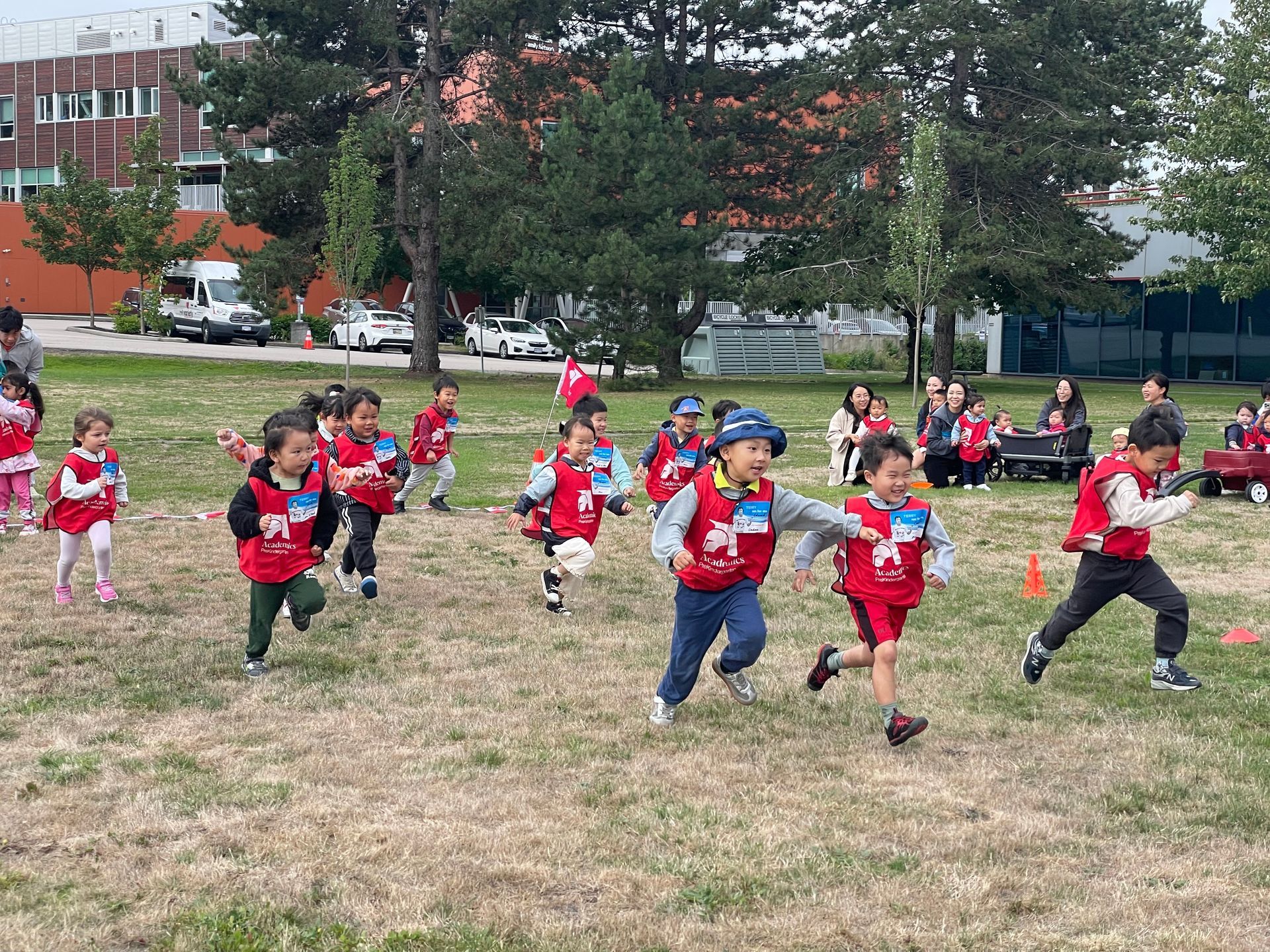
Gross motor skills: Can your child run, jump, hop on one foot, climb, and catch a ball? Can they sit still for a ten minute period when an activity requires it?
Fine motor skills: Can your child hold a pencil or crayon with some control? Use scissors with basic guidance? Draw a person with recognizable features? Stack blocks and complete simple puzzles?
Fine motor development is particularly worth paying attention to, because it underpins writing and children who arrive at kindergarten with underdeveloped fine motor skills often struggle with the physical demands of early writing tasks.
What you can do at home: Play with playdough, do simple crafts, practise cutting with child-safe scissors, colour, draw, and build with blocks or Lego. Climbing, running, and balancing builds gross motor strength. .
6. Approaches to Learning
Does your child show curiosity? Stick with a task when it gets a little hard? Try again after they make a mistake? Follow the rules of a simple game? Listen when someone is speaking to them?
Curiosity, persistence, flexibility, attention are among the strongest predictors of early school success. A child who is eager to explore and try new things will learn faster than one with more prior knowledge but less openness to the process.
What you can do at home: Praise effort and persistence, not outcomes. Say "I love how you kept trying even when it was hard" rather than "you're so smart." Let your child experience manageable frustration rather than stepping in immediately. Model curiosity yourself, "I wonder why…" is one of the most powerful things you can say to a young child.
What If My Child Isn't Quite There Yet?
The checklist is a guide to development, not a pass/fail test.
A child who is strong socially but needs more work on independence is very different from a child who is struggling across multiple areas.
If you have genuine concerns about speech and language development, about social or emotional delays, about physical development, the time to act is now, not September. Talk to your child's doctor, reach out to a speech-language pathologist, or contact your school district about early intervention supports. BC has resources available, and early support makes a real difference.
If your child simply needs more exposure to group settings, more practice with independence, or more language-rich experiences, that's something you can work on intentionally at home, and something an early learning program can help with enormously before kindergarten begins.
Children who have had rich early learning experiences are likely to enter kindergarten ready to succeed. Those experiences don't have to be formal or structured. Play, conversation, books, outdoor exploration, cooking together, and building things are the types of experiences that build school-ready brains.
Be present, curious, and engaged with your child and make sure they're getting enough practice navigating the world alongside other people.
Kindergarten is not the finish line of early childhood. It's the beginning of a long learning journey. The goal is to have a child who walks through the door feeling curious, capable, and ready to try.
At Academics PreKindergarten, we work with children from their earliest years to build the key foundations to a successful lifelong learning journey. Whether your child is a baby, toddler, preparing for preschool, about to start kindergarten, or somewhere in between, we'd love to chat about how we can help. Come in for a tour and let's meet your little learner.
Recent Posts